- Decimal Odds
- Hong Kong Odds
- Indonesian Odds
- American Odds
- Malay Odds
 English
- English
 Vietnam

Harry Kane Wins First Ballon d’Or After Record-Breaking 2025–26 Season


-
1
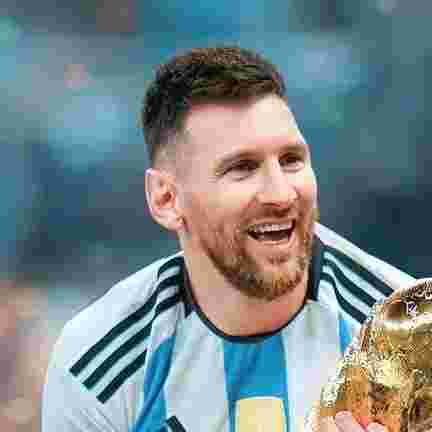 7
TopnotchWon 19/20Follow89.7%Win Rate +25.6%ROI 29Tips 1.44Avg Odds
-
2
 4
RossyGWon 19/20Follow81.8%Win Rate +14.7%ROI 34Tips 1.42Avg Odds
-
3
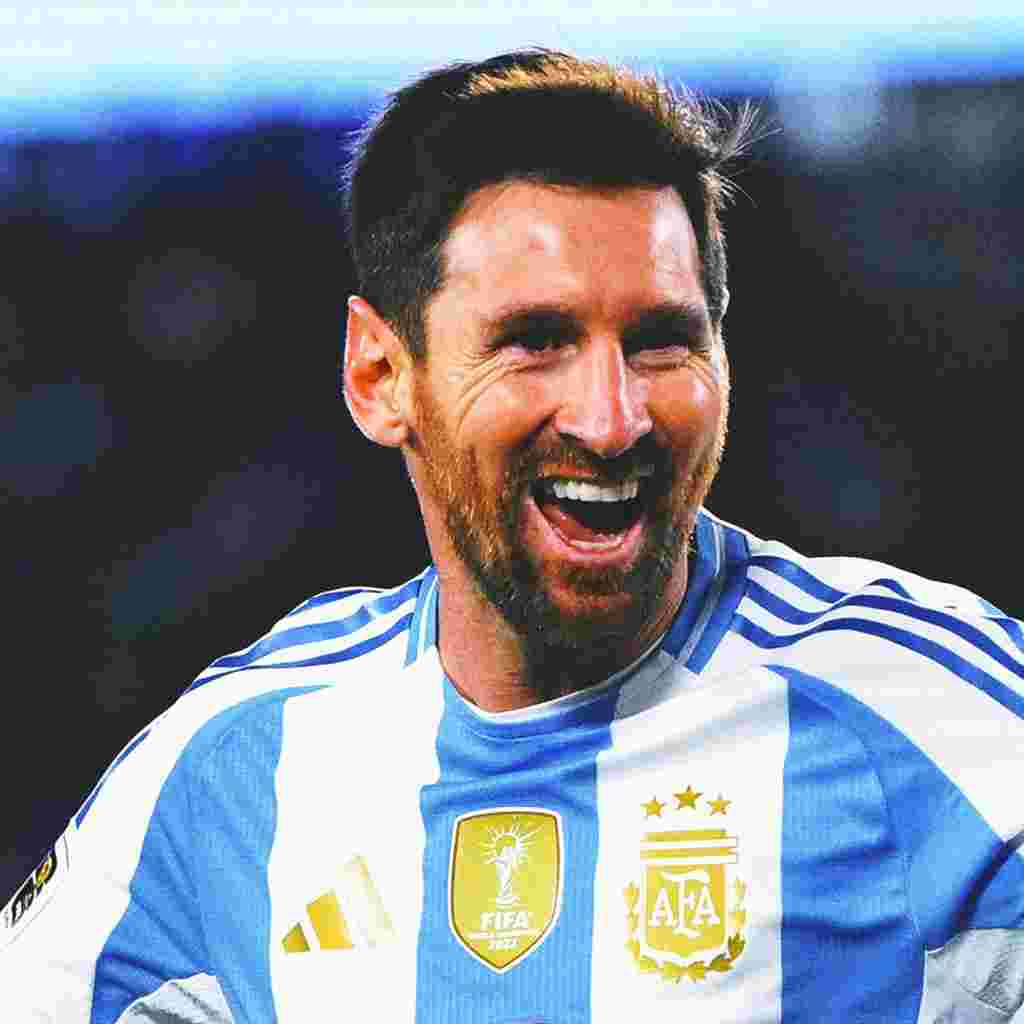 2
RoetipsWon 11/13Follow81.8%Win Rate +13.1%ROI 22Tips 1.42Avg Odds
-
4
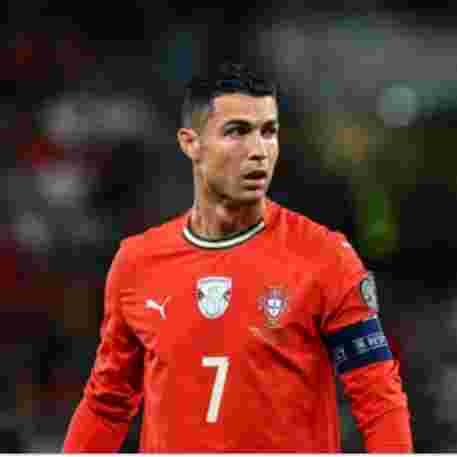 5
WissywaxplanetWon 5/5Follow80%Win Rate +11.1%ROI 45Tips 1.42Avg Odds
-
5
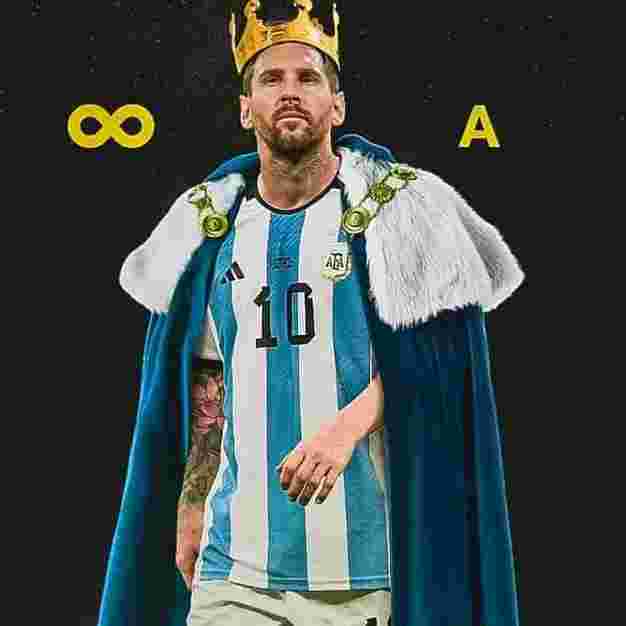 4
Obertan4lifeWon 15/18Follow78.3%Win Rate +10.5%ROI 23Tips 1.47Avg Odds
-
6
 6
rozayWon 18/20Follow78%Win Rate +15.7%ROI 41Tips 1.49Avg Odds
 7
 4
 2
 5
 4
 6
Harry Kane Wins First Ballon d’Or After Record-Breaking 2025–26 Season
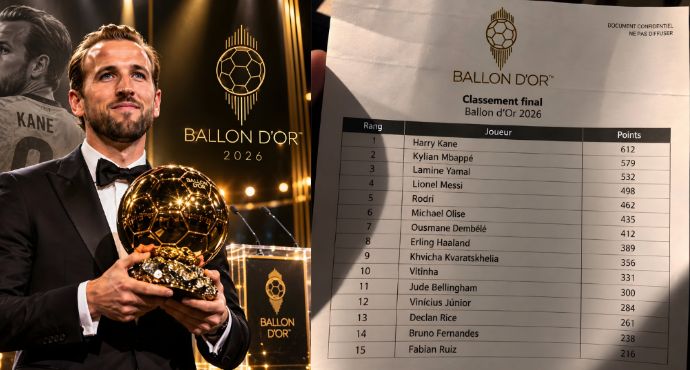
The 70th Ballon d’Or awards ceremony in 2026 was held at the London Palladium. Bayern Munich striker Harry Kane, 33, won the prestigious Ballon d’Or for the first time in his career after an outstanding performance during the evaluation period.
The evaluation period for the 2026 Ballon d’Or ran from August 3, 2025, to July 19, 2026, the date of the FIFA World Cup final in the United States, Canada and Mexico. During this period, Kane made 65 appearances for Bayern Munich and England, scoring 73 goals and providing six assists.
Kane made 51 appearances for Bayern Munich, recording 61 goals and seven assists. He won the Bundesliga, the DFB-Pokal and the German Super Cup, reached the UEFA Champions League semi-finals, and claimed both the Bundesliga Golden Boot and the European Golden Shoe. He was also named in the Bundesliga Team of the Season and the Champions League Team of the Season.
For England, Kane made 14 appearances, scoring 12 goals and providing one assist while serving as the team's captain and leader. At the 2026 FIFA World Cup, he made seven appearances, contributing six goals and one assist to help England finish third.
Kane became Bayern Munich's first Ballon d’Or winner in 45 years, since Karl-Heinz Rummenigge in 1981. He is the fourth player in Bayern's history to win the award, bringing the club's total to six Ballon d’Or titles.
He also became the first Bundesliga player to win the Ballon d’Or in 30 years, since Matthias Sammer in 1996. Kane is the seventh Bundesliga player to receive the award, bringing the total number of Ballon d’Or wins by Bundesliga players to 10.
Furthermore, Kane became the first English player to win the Ballon d’Or in 25 years, since Michael Owen in 2001. He is the fifth English player to receive the prestigious honour.
The first-ever Ballon d’Or was awarded to Stanley Matthews in 1956. The 2026 ceremony marked the 70th presentation of the award and the first time the ceremony had been held outside France.
Ballon d’Or Winners Throughout History
1956: Stanley Matthews
1957: Alfredo Di Stéfano
1958: Raymond Kopa
1959: Alfredo Di Stéfano
1960: Luis Suárez (the Spanish midfielder)
1961: Omar Sívori
1962: Josef Masopust
1963: Lev Yashin
1964: Denis Law
1965: Eusébio
1966: Bobby Charlton
1967: Flórián Albert
1968: George Best
1969: Gianni Rivera
1970: Gerd Müller
1971: Johan Cruyff
1972: Franz Beckenbauer
1973: Johan Cruyff
1974: Johan Cruyff
1975: Oleg Blokhin
1976: Franz Beckenbauer
1977: Allan Simonsen
1978: Kevin Keegan
1979: Kevin Keegan
1980: Karl-Heinz Rummenigge
1981: Karl-Heinz Rummenigge
1982: Paolo Rossi
1983: Michel Platini
1984: Michel Platini
1985: Michel Platini
1986: Ihor Belanov
1987: Ruud Gullit
1988: Marco van Basten
1989: Marco van Basten
1990: Lothar Matthäus
1991: Jean-Pierre Papin
1992: Marco van Basten
1993: Roberto Baggio
1994: Hristo Stoichkov
The eligibility criteria were expanded to include all players representing European clubs.
1995: George Weah
1996: Matthias Sammer
1997: Ronaldo Nazário
1998: Zinedine Zidane
1999: Rivaldo
2000: Luís Figo
2001: Michael Owen
2002: Ronaldo Nazário
2003: Pavel Nedvěd
2004: Andriy Shevchenko
2005: Ronaldinho
2006: Fabio Cannavaro
The eligibility criteria were expanded to include professional footballers worldwide.
2007: Kaká
2008: Cristiano Ronaldo
2009: Lionel Messi
The Ballon d’Or merged with FIFA’s World Player of the Year award to become the FIFA Ballon d’Or.
2010: Lionel Messi
2011: Lionel Messi
2012: Lionel Messi
2013: Cristiano Ronaldo
2014: Cristiano Ronaldo
2015: Lionel Messi
France Football resumed presenting the Ballon d’Or independently.
2016: Cristiano Ronaldo
2017: Cristiano Ronaldo
2018: Luka Modrić
2019: Lionel Messi
The award was not presented in 2020 due to the COVID-19 pandemic.
2021: Lionel Messi
2022: Karim Benzema
2023: Lionel Messi
2024: Rodri
2025: Ousmane Dembélé
2026: Harry Kane